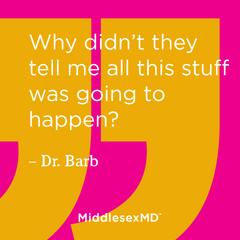
Remember in middle school (we called it junior high in those days) when the boys and the girls were shepherded into separate rooms for those awkward films? It might have been presented by the gym teacher or the guidance counselor; maybe your school was large enough to have a health teacher who presided as we were introduced to the signs and effects of puberty—and the dangers of acting on urges.
My conversations with women lately have reminded me that while we take great pains to introduce our younger selves to their biology, we don’t quite follow through. In the sex ed I’m familiar with, the story stops with the fertile years. We don’t introduce the full cycle we can all expect to experience if we only live long enough.
Yes, breasts bud and menstrual cycles begin. We have children, or we don’t; we may have illnesses or surgeries.
At some point, the cocktail of hormones shifts, and the parts of our bodies once prepared for reproduction begin to change once more. Our periods become unpredictable and eventually stop (a year without defines menopause). We can get a T-shirt that relabels our hot flashes as power surges. But no one’s explained that our tissues become drier, more fragile, less elastic. Tissues that were actually pleated (imagine how a pleated skirt can expand and swirl) become flatter and less stretchy (think pencil skirt). Without care and attention—and often in spite of them—our vulvovaginal tissues atrophy, which means they actually shrink.
And where do we learn this? Not in a gym or a cafeteria with a hundred of our same-sex classmates! For too many of us, we learn it only through our own experience, at a point in life when there aren’t many people we’re talking to about sex. And, as it happens, at a point when we’ve regained our empty nests and are taking some time to re-balance our lives and reinvest in relationships.
We’re tempted to think this is an odd thing that’s happening only to us. We’re a little embarrassed, maybe a little ashamed. Women have told me they feel “betrayed” by their own bodies.
There’s so much more common about our experience than most women think! If only there were a middle school for midlife, so we could all get together and learn about this next phase of physical transitions. As we thought (or it was hoped we were thinking) back in the original sex ed, knowing what’s ahead is the first step in making good decisions and taking charge of our own sexual health. Once we know what’s happening, there are steps we can take to stay just as sexy as we’ve ever been.
I haven’t yet figured out where to offer my midlife sex ed classes, or how to get busy women to attend! So I’ll keep having conversations with women one on one in my practice, with other doctors whenever I can, and through the MiddlesexMD website. I hope you’ll be having conversations, too, because even without the awkward films, we’re all in this together.
*****
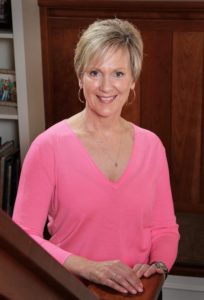
Barb DePree, MD, is a board-certified OB/GYN and menopause care practitioner, named the NAMS 2013 Practitioner of the Year for her exceptional contributions to menopause care. To advance the conversation about women’s sexual health at midlife, Dr. DePree founded MiddlesexMD.com, which provides practical advice and products. A contributing expert for media, she is the author of Yes You Can: Dr. Barb’s Recipe for Lifelong Intimacy, as well as articles in peer-reviewed journals and the ACOG UPDATE audio CME program.
Leave a Reply